The reality of code quality in 2026
Bad code is expensive. It breaks systems, opens security holes, and drains budgets through endless maintenance. As software becomes the backbone of every industry, shipping clean code isn't a luxury—it's the only way to stay in business.
Historically, manual code review has been the cornerstone of ensuring code quality. Experienced developers meticulously examine each other's code, looking for errors, inconsistencies, and potential improvements. This process, while effective, is time-consuming and can be a bottleneck in fast-paced development cycles. Recently, we’ve seen a surge in AI-powered code analysis tools promising to automate and accelerate this process.
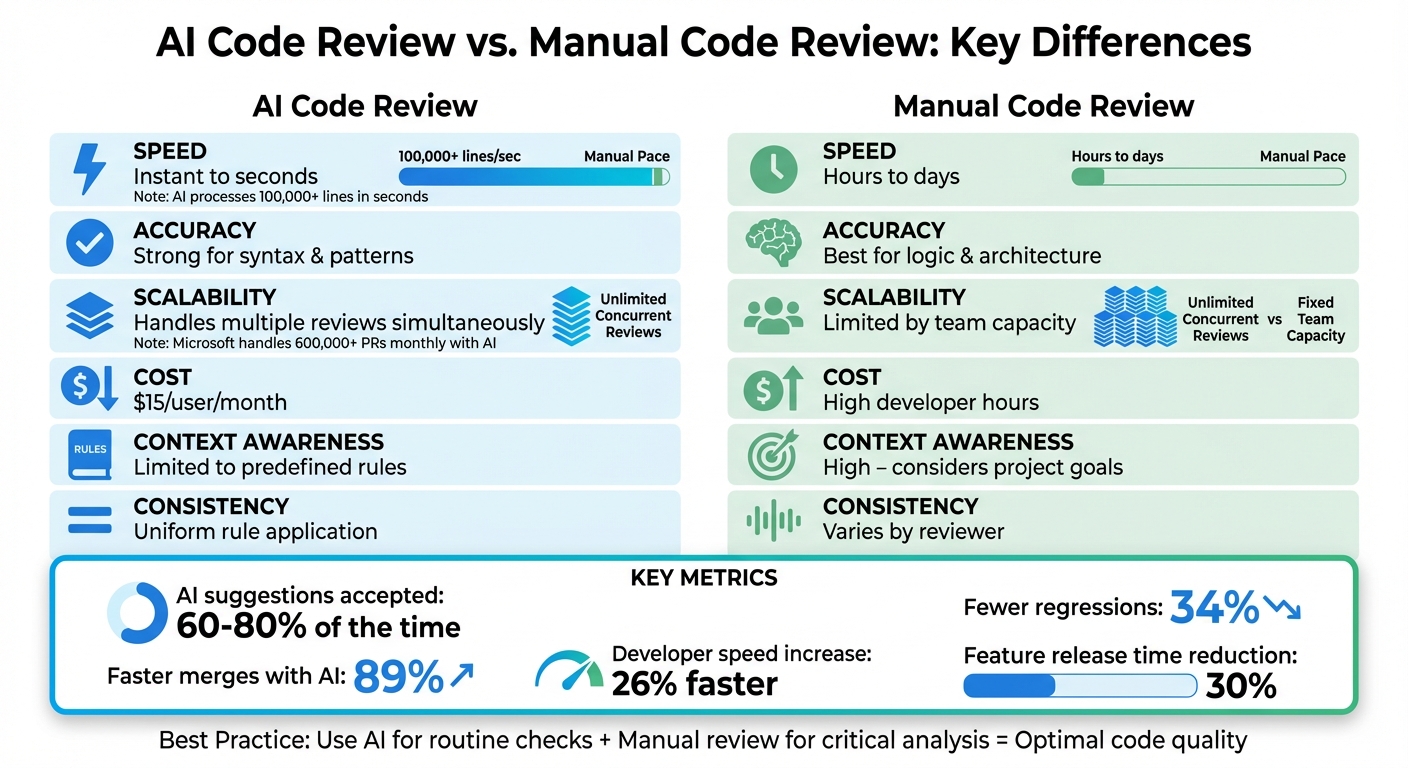
In 2026, the landscape will be defined by a synthesis of these approaches. Neither code review services nor AI code analysis offers a complete solution on its own. The most effective strategy will involve leveraging the strengths of both – using AI to handle routine checks and human reviewers to focus on complex logic and architectural considerations. Understanding these differences is crucial for making informed decisions about your development process.
Why human review still wins on logic
Code review services provide a dedicated team of experienced developers to scrutinize your codebase. These services go beyond simply identifying bugs; they focus on improving code readability, maintainability, and adherence to industry best practices. A key benefit is the ability to identify complex logic errors and design flaws that automated tools often miss. The human element allows for a deeper understanding of the code’s intent and context.
Providers like SoftTeco offer a broad range of software development services, including dedicated code review as part of larger projects. Redwerk specializes in code review as a service, alongside other offerings such as AI and blockchain development. These companies typically offer services like end-to-end development, custom software creation, and application modernization, but their code review focuses on identifying potential issues and improving overall code health.
However, code review services aren’t without their drawbacks. They can be expensive, especially for large projects. Scheduling reviews and ensuring reviewer availability can also be logistical challenges. The effectiveness of a code review heavily depends on the skill and experience of the reviewers, and there’s always a risk of subjective feedback or missed issues. Despite these challenges, the value of human insight remains significant.
The collaborative nature of code review also fosters knowledge sharing within teams and provides valuable mentorship opportunities for junior developers. This contributes to a more skilled and cohesive development team, which is a long-term benefit that extends beyond immediate bug fixes.
Where AI analysis actually works
AI code analysis utilizes a variety of techniques to automatically identify potential issues in your code. These techniques include static analysis, which examines the code without executing it, and dynamic analysis, which analyzes the code while it’s running. Increasingly, machine learning models are being trained on vast codebases to identify patterns associated with bugs and vulnerabilities.
The primary benefits of AI code analysis are speed, scalability, and consistency. AI tools can scan large codebases much faster than human reviewers, and they can be easily integrated into CI/CD pipelines to provide continuous feedback. They also apply the same rules consistently across the entire codebase, eliminating the potential for subjective bias. This helps to enforce coding standards and identify common vulnerabilities.
Most AI tools are great at catching syntax errors, style violations, and basic security holes. They can flag a memory leak or an inefficient algorithm in seconds. But they still struggle with logic. An AI might see that a function runs perfectly, yet fail to realize the function shouldn't exist in the first place.
Specific errors each method catches
The strengths of code review services and AI code analysis lie in different areas. Human reviewers are particularly adept at spotting nuanced logic flaws, design issues, and potential usability problems. They can understand the intent of the code and identify areas where it might not meet the needs of the user. They’re also better equipped to assess the overall architectural quality of the system.
AI, on the other hand, excels at identifying more straightforward issues. This includes syntax errors, style violations, common security vulnerabilities like SQL injection and cross-site scripting, and potential performance bottlenecks such as inefficient algorithms or memory leaks. AI tools can also enforce coding standards consistently across the entire codebase. It’s about pattern recognition and identifying deviations from established rules.
It's important to remember that AI isn’t meant to replace human judgment, but to augment it. Think of AI as a first line of defense, catching the low-hanging fruit and freeing up human reviewers to focus on the more challenging aspects of code quality. A combined approach delivers the best results.
Code Review Services vs. AI Code Analysis: A Comparative Assessment (2026)
| Criteria | Code Review Services | AI Code Analysis | Overall Advantage |
|---|---|---|---|
| Logic Errors | Excellent - excels at understanding complex business rules and identifying subtle logical flaws. | Good - effective at finding common logical errors, but may struggle with nuanced or unconventional logic. | Code Review Services |
| Security Vulnerabilities | Good - experienced reviewers possess deep security knowledge and can identify a wide range of vulnerabilities. | Good - rapidly improving in identifying known vulnerability patterns, but may miss zero-day exploits or context-specific risks. | Trade-off - both have strengths |
| Style Violations | Fair - consistency depends on reviewer diligence and established style guides; can be time-consuming. | Excellent - consistently enforces coding standards and style guides with minimal effort. | AI Code Analysis |
| Performance Bottlenecks | Good - skilled reviewers can identify potential performance issues based on code structure and algorithms. | Fair - can detect obvious performance issues, but often lacks the contextual understanding to suggest optimal solutions. | Code Review Services |
| Design Issues | Excellent - provides valuable feedback on code architecture, maintainability, and overall design quality. | Limited - currently struggles with high-level design considerations and architectural patterns. | Code Review Services |
| Knowledge Sharing | Excellent - fosters collaboration and knowledge transfer within the development team. | Limited - primarily focuses on identifying issues, with minimal knowledge dissemination. | Code Review Services |
| Scalability | Fair - scaling requires increasing the number of reviewers, which can be costly and time-consuming. | Good - easily scalable to large codebases and multiple projects. | AI Code Analysis |
| Cost | Higher - typically involves significant personnel costs. | Lower - generally offers a more cost-effective solution, especially for large projects. | AI Code Analysis |
Qualitative comparison based on the article research brief. Confirm current product details in the official docs before making implementation choices.
The price of clean code
The financial implications of code quality assurance vary significantly depending on the approach you choose. Code review services typically involve hourly rates for reviewers or project-based fees. These rates can range from $80 to $200+ per hour, depending on the experience and location of the reviewers. The overall cost will depend on the size and complexity of the codebase.
AI code analysis tools usually operate on a subscription model. Pricing is often based on lines of code, number of users, or the features included in the subscription. Some tools offer free tiers for small projects, while others require a significant upfront investment. It’s vital to carefully evaluate the pricing structure and ensure it aligns with your needs.
However, the sticker price is only part of the equation. There are hidden costs to consider. With code review services, you need to factor in the time spent managing the review process and coordinating with reviewers. With AI tools, you need to account for the time spent training the models and addressing false positives. A truly accurate cost analysis considers both direct and indirect expenses.
Integration and Workflow: How They Fit
Integrating code quality assurance into your existing development workflow is crucial for maximizing its effectiveness. AI code analysis tools are often designed to be integrated into CI/CD pipelines, providing automated feedback with every code commit. This allows you to catch issues early in the development process, before they become more costly to fix.
Code review can be integrated into agile methodologies by incorporating it into sprint planning and daily stand-ups. However, it requires careful coordination and prioritization to avoid disrupting the flow of development. The challenge lies in balancing the need for thorough review with the need for rapid iteration.
The best results often come from combining the two approaches. Use AI to automate routine checks and provide immediate feedback, and then leverage human reviewers to focus on the more complex and nuanced aspects of code quality. This hybrid approach allows you to benefit from the strengths of both worlds, creating a more robust and efficient development process.
Featured Products

Automated code quality and security analysis · Support for multiple programming languages · Integration with CI/CD pipelines
SonarQube provides a comprehensive platform for automated code analysis, offering deep insights into code quality and security vulnerabilities.
Automated code review with AI-powered insights · Real-time feedback on code quality and security · Integration with popular version control systems
Codacy leverages AI to automate code reviews, providing developers with immediate feedback to improve code quality and maintainability.
AI-powered static code analysis · Automated bug detection and security vulnerability identification · Support for a wide range of programming languages
DeepSource offers advanced AI-driven static analysis to automatically detect bugs, security flaws, and performance issues in code.
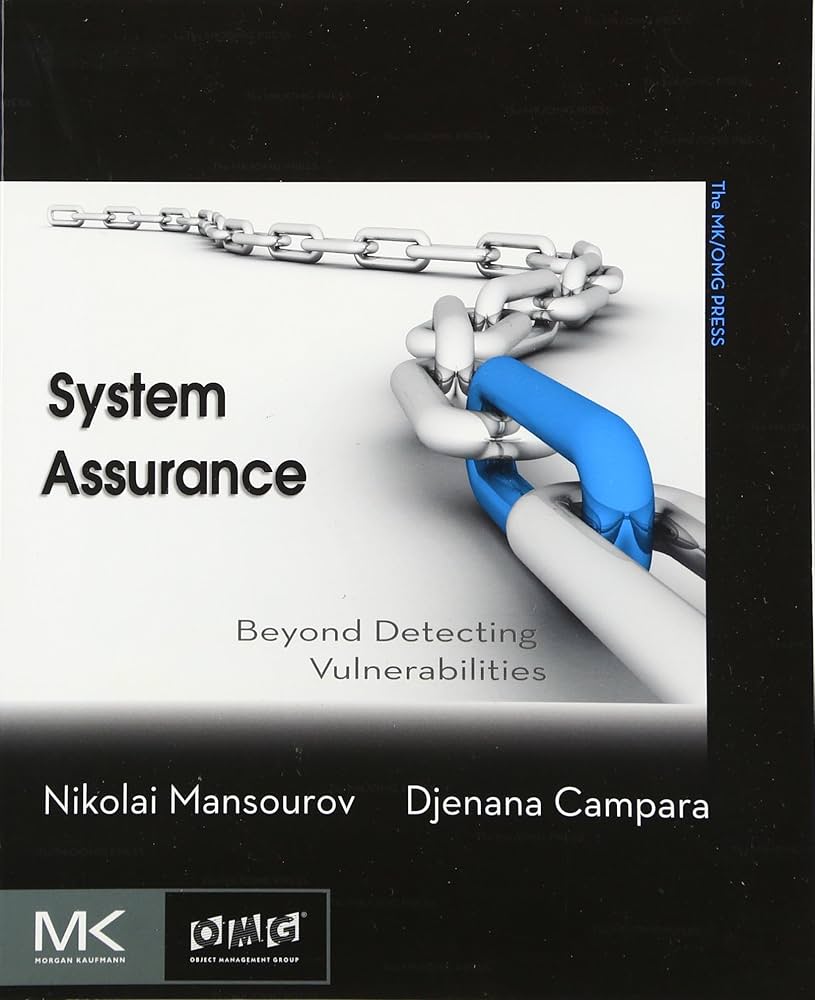
Static code analysis for security and quality · Identification of coding errors and security vulnerabilities · Support for embedded systems and safety-critical applications
Klocwork provides robust static analysis capabilities, focusing on identifying critical security vulnerabilities and coding errors in complex software.
As an Amazon Associate I earn from qualifying purchases. Prices may vary.

No comments yet. Be the first to share your thoughts!