Start with debugging tools
Use this section to make the Top 5 AI-Powered Debugging Tools decision easier to compare in real life, not just on paper. Start with the reader's actual constraint, then separate must-have requirements from details that are merely nice to have. A practical choice should survive normal use, maintenance, timing, and budget. If a recommendation only works in an ideal situation, call that out plainly and give the reader a fallback path.
The simplest way to use this section is to write down the must-have criteria first, then compare each option against those criteria before weighing nice-to-have features.
5 AI-Powered Debugging Tools in 2026: Automate Bug Tracking and Accelerate Code Reviews
These five AI-powered debugging tools automate bug tracking and accelerate code reviews by analyzing codebases in real-time. Each option offers distinct tradeoffs between integration depth and detection accuracy, helping teams reduce manual triage time.
1. GitHub Copilot Chat for inline code fixes
GitHub Copilot Chat integrates directly into your IDE to offer real-time inline suggestions and conversational debugging support. It analyzes the surrounding code context to propose fixes for syntax errors or logical flaws without requiring you to switch windows. This seamless workflow accelerates the identification of runtime issues and simplifies the process of applying patches to complex codebases.

2. Amazon CodeWhisperer security vulnerability scanning
Amazon CodeWhisperer goes beyond autocomplete by actively scanning code for security vulnerabilities and compliance issues. It identifies potential risks like SQL injection or insecure data handling as you type, offering immediate remediation advice. This proactive approach helps developers maintain secure coding standards and reduces the time spent on manual security audits during the development lifecycle.

3. JetBrains AI Assistant context-aware refactoring
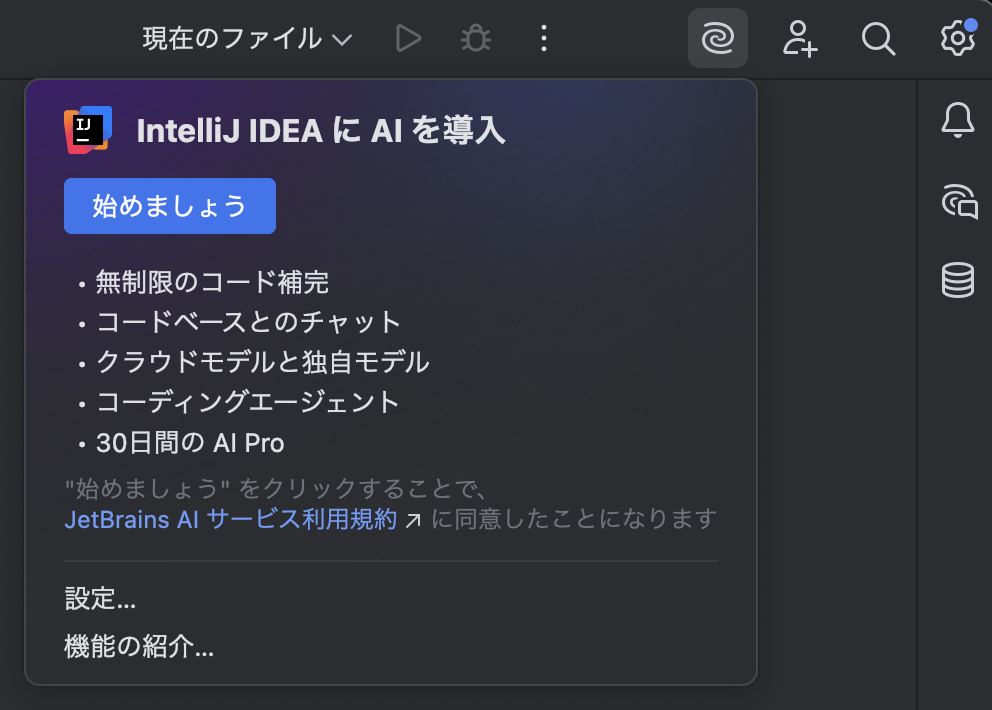
The JetBrains AI Assistant leverages deep IDE integration to perform context-aware refactoring and code optimization. It understands the broader project structure, allowing it to suggest meaningful changes that improve code readability and performance. This tool automates tedious refactoring tasks, ensuring that codebases remain clean and maintainable while reducing the cognitive load on developers during complex updates.
4. Tabnine custom model integration for private repos
Tabnine offers custom model integration that respects data privacy by training on your private repository data. This ensures that the AI suggestions are tailored to your specific coding style and project conventions without exposing sensitive code to public models. It provides a secure, personalized coding assistant that enhances productivity while maintaining strict confidentiality for enterprise and individual developers alike.
5. Sourcegraph Cody semantic code search debugging
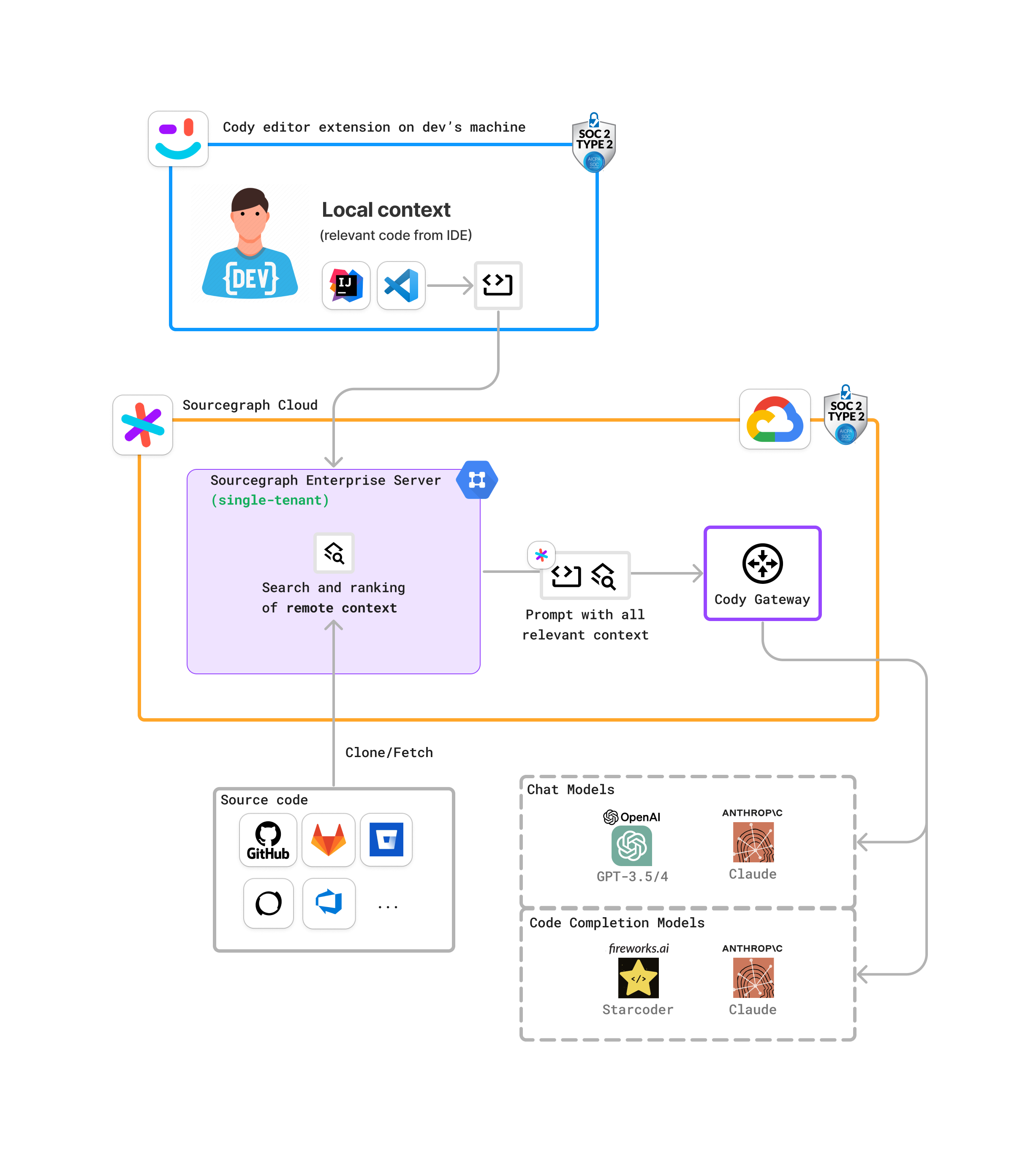
Sourcegraph Cody utilizes semantic code search to help developers understand and debug code across entire codebases. It allows you to ask natural language questions about your code, retrieving relevant snippets and explaining complex logic. This capability is invaluable for onboarding new team members or troubleshooting issues in large, interconnected systems where traditional search methods fall short.
How to choose the right AI debugging tool
Selecting the right tool depends on your stack and whether you need to catch errors before they hit production or fix them after a crash. Think of this as a two-step filter: first, match the tool to your environment; second, test it against your most common bug patterns.

Not all AI debuggers support every language. Ensure the tool integrates with your primary stack (e.g., Python, JavaScript, C++). For example, tools like GDB or LLDB are essential for low-level systems programming, while AI-enhanced IDE plugins like those in VS Code or IntelliJ are better for high-level web development. Verify compatibility with your current CI/CD pipeline to avoid friction.
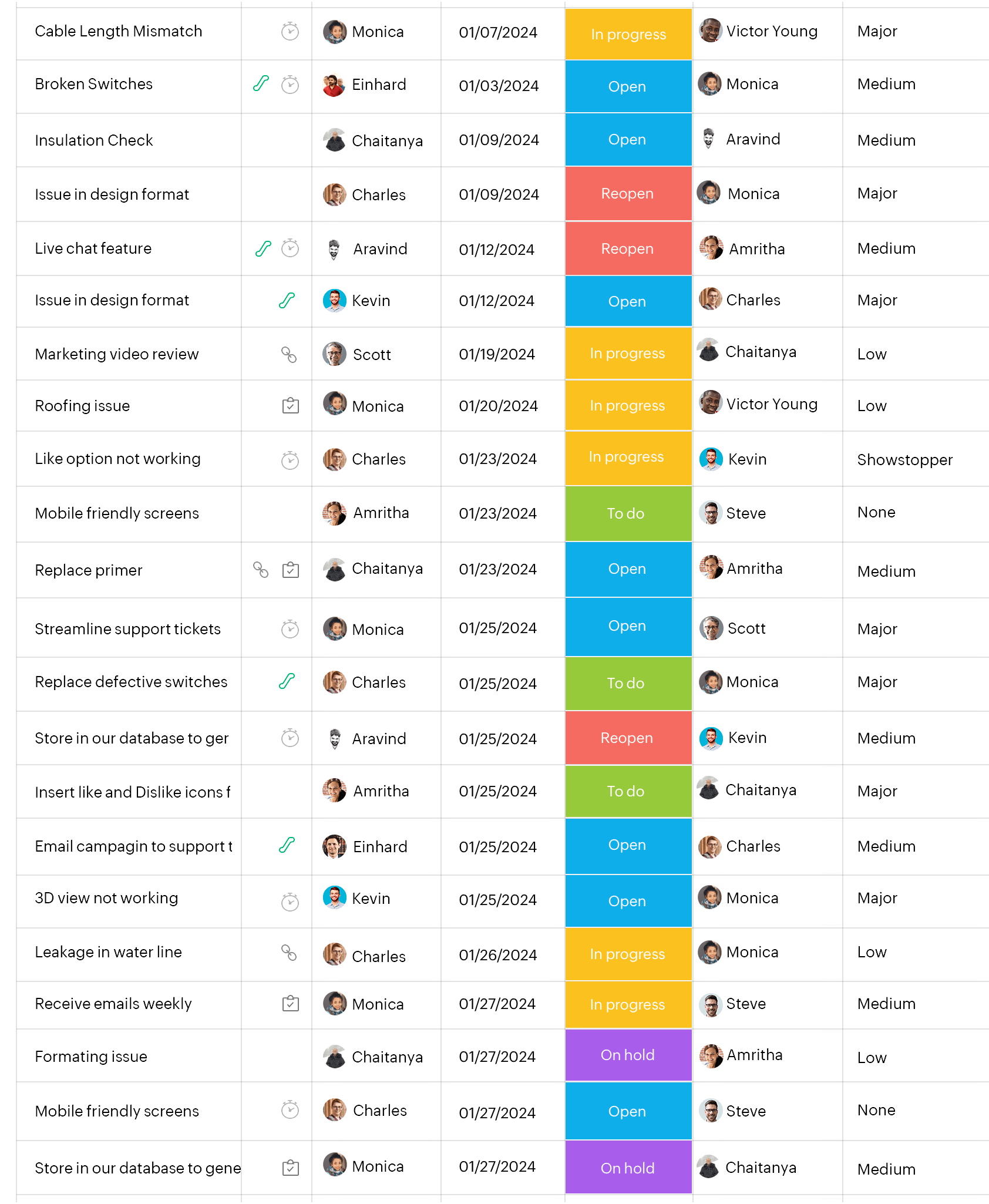
Standalone debugging apps often create silos. Look for tools that embed directly into your development workflow or bug tracking systems like Jira or GitHub Issues. This ensures that AI-generated insights are immediately actionable and linked to the specific code commit or ticket. Seamless integration reduces context switching and keeps your team focused on resolution rather than data entry.
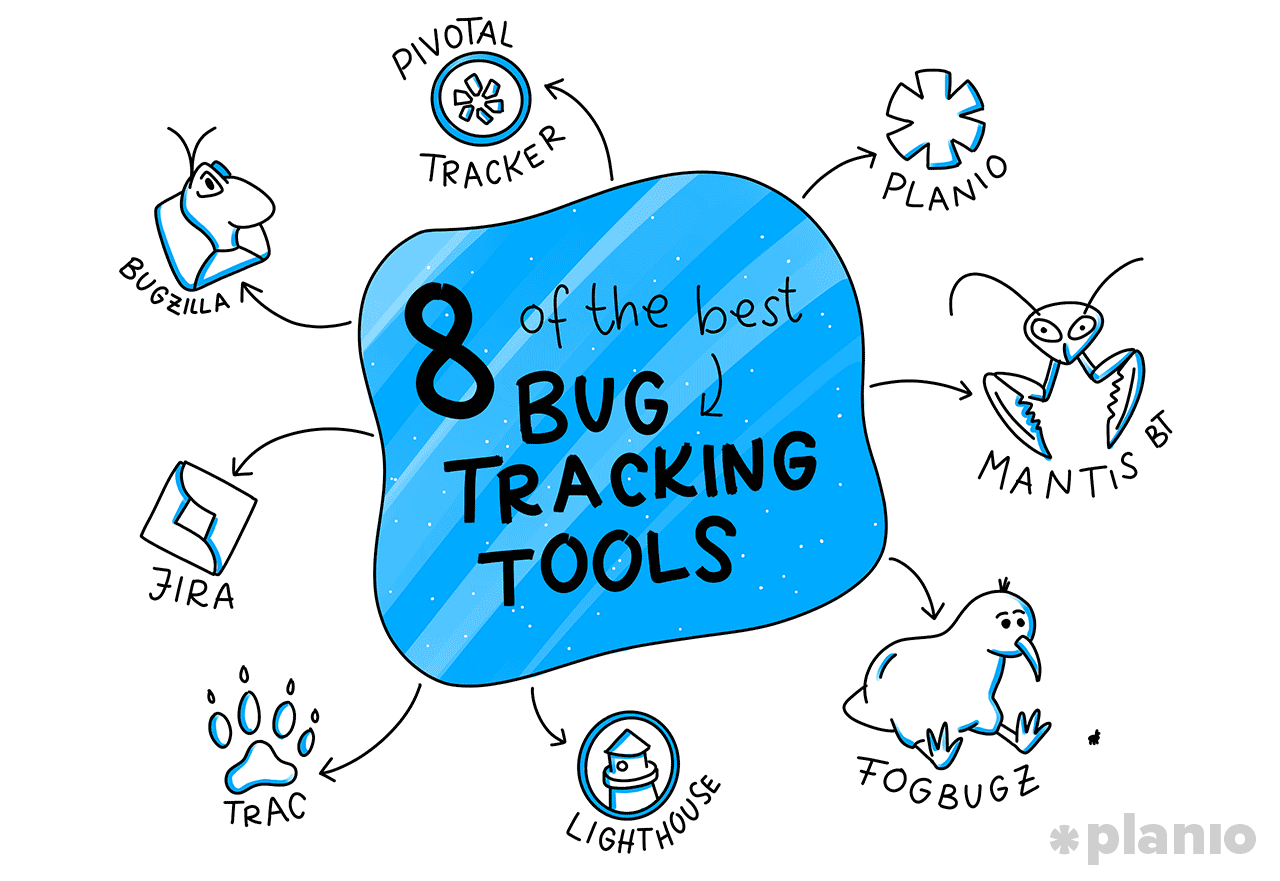
AI tools can sometimes suggest incorrect fixes or miss subtle logic errors. Test the tool on a sample of your historical bug data to gauge its accuracy. Pay attention to how it handles edge cases and whether it explains the root cause or just offers a code patch. A tool that reduces false positives saves more time than one that offers a high volume of mediocre suggestions.
| Feature | Selection Criteria |
|---|---|
| Language Support | Must match your primary stack (e.g., Python, JS, C++) |
| Integration | Embeds in IDE or bug tracker (Jira, GitHub) |
| AI Accuracy | Low false-positive rate on historical bug data |
| Cost | Fits within your team’s budget for automation |


As an Amazon Associate, we may earn from qualifying purchases.
-
Verify language compatibility
-
Check IDE integration
-
Test AI accuracy on sample bugs
-
Confirm team budget fit
5 AI-Powered Debugging Tools in 2026: Automate Bug Tracking and Accelerate Code Reviews FAQs
What are debugging tools? Debugging tools are software programs designed to identify, test, and fix issues within other applications. They provide a systematic approach to troubleshooting by offering detailed visibility into a program's execution flow, memory usage, variable states, and system performance. These tools allow developers to pinpoint exactly where and why code fails, rather than relying on guesswork or manual log scanning.
What is the best debugging tool? The "best" tool depends on your specific stack and the complexity of the bug. For general web development, Chrome DevTools remains a standard for inspecting DOM and network activity. For low-level system or C/C++ development, GDB (GNU Debugger) is the open-source industry standard for step-by-step execution control. In 2026, many teams also rely on AI-augmented IDEs like Visual Studio Code with integrated AI assistants to automatically suggest fixes based on error context.
What is the best AI tool for debugging? The best AI debugging tools are those that integrate directly into your development workflow to analyze code context and error logs in real time. Leading options include tools that leverage large language models to interpret stack traces, suggest root causes, and even generate patch code. Look for tools that support multiple languages and integrate with your existing CI/CD pipelines to automate bug tracking without adding friction to your code review process.
What are the two main types of debugging?
Debugging is generally categorized into interactive debugging and print debugging. Interactive debugging uses specialized tools to pause program execution step-by-step, allowing you to inspect memory and variables in real time. Print debugging is a simpler method where developers insert logging statements (like console.log or print) into the code to track variable values and execution flow as the program runs.

No comments yet. Be the first to share your thoughts!