Why debugging speed matters in 2026
Use this section to make the Best IDE Recommendations decision easier to compare in real life, not just on paper. Start with the reader's actual constraint, then separate must-have requirements from details that are merely nice to have. A practical choice should survive normal use, maintenance, timing, and budget. If a recommendation only works in an ideal situation, call that out plainly and give the reader a fallback path.
The simplest way to use this section is to write down the must-have criteria first, then compare each option against those criteria before weighing nice-to-have features.
Visual Studio Code: The Versatile Standard
Visual Studio Code remains the most versatile choice for developers in 2026, striking a rare balance between usability, extensibility, and ecosystem maturity. It serves as a reliable foundation for general development, whether you are writing Python, JavaScript, or C++. Its lightweight nature allows it to start instantly, while its vast library of extensions lets you tailor it to almost any workflow without the bloat of heavier integrated development environments.
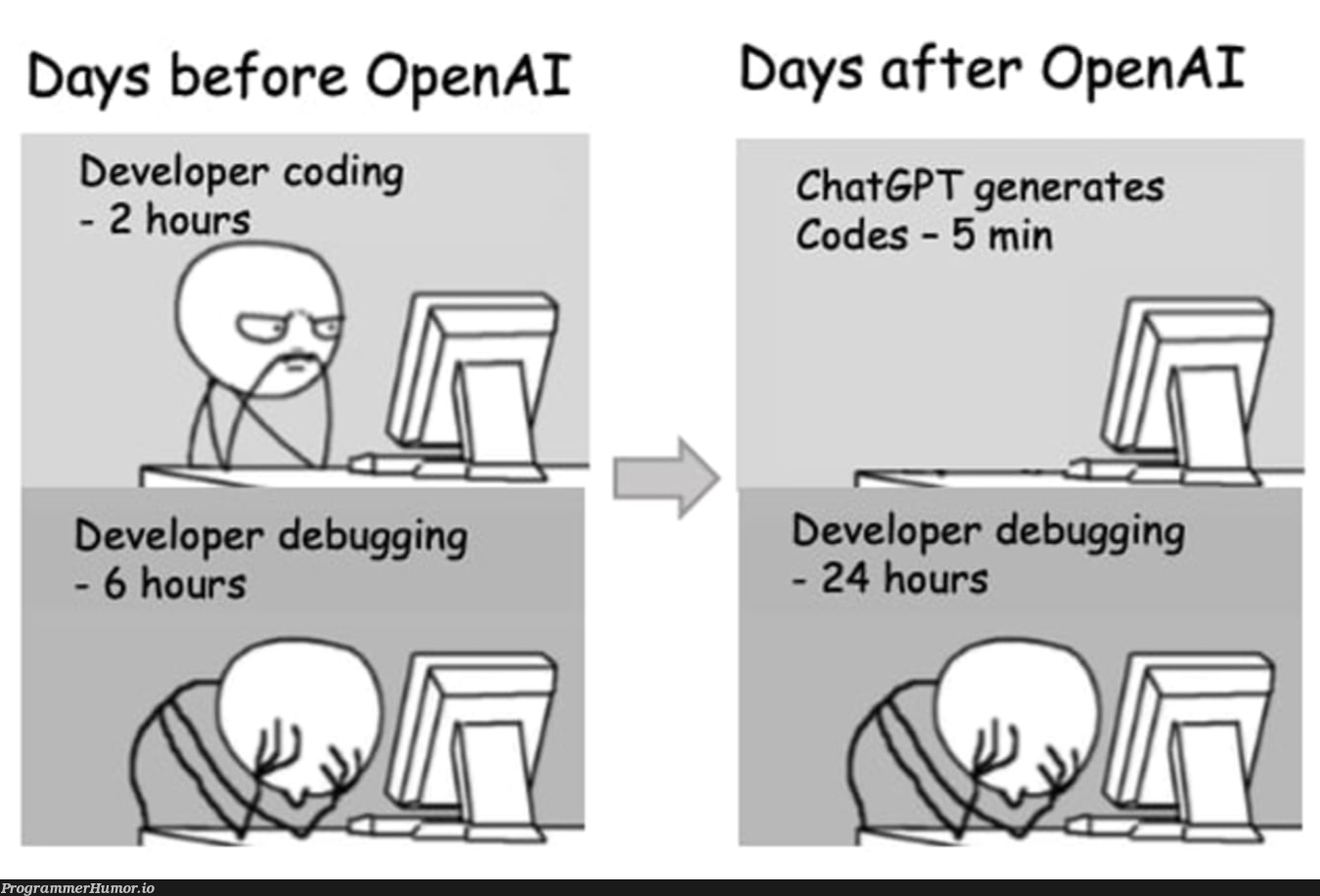
The real differentiator for VS Code in 2026 is its integration with AI tools for debugging. Extensions like GitHub Copilot and various AI-driven code analyzers have moved beyond simple autocomplete to become active debugging partners. These tools can now explain complex error messages, suggest fixes for logic errors, and even rewrite buggy functions in real-time. This shift transforms debugging from a tedious search for syntax mistakes into a guided process where the AI highlights the root cause and proposes solutions.
For developers who need a tool that adapts to their specific project needs, VS Code offers a modular approach. You install only what you need, keeping the editor fast and responsive. This flexibility, combined with powerful AI debugging capabilities, makes it the go-to recommendation for most developers seeking a balance of power and simplicity.


As an Amazon Associate, we may earn from qualifying purchases.
Top AI-native editors for rapid fixes
The 2026 coding landscape has shifted from passive autocomplete to agentic debugging. Tools like Cursor and Windsurf don't just suggest code; they understand your entire codebase context to locate and repair errors autonomously. This change turns debugging from a tedious search for typos into a collaborative review process where the AI handles the heavy lifting.
Cursor leads with its "Composer" feature, which acts as a multi-file agent. You describe a bug or a feature, and it navigates your repository, edits multiple files, and runs tests in a built-in terminal. It feels less like using an editor and more like managing a junior developer who knows exactly how your project is structured.
Windsurf takes a slightly different approach with its "Flow" state. It maintains context across your entire workflow, remembering previous edits and terminal outputs to provide more accurate suggestions over time. Its deep integration with terminal commands allows it to execute complex debugging sequences without you leaving the editor window.
Zed offers a different value proposition: raw speed. While its AI features are still matting compared to Cursor, its Rust-based architecture makes it the fastest editor on the market. For developers who want AI assistance without the latency of heavier Electron-based apps, Zed provides a snappy, responsive environment that feels instant.
The following table compares the core AI debugging capabilities of these top contenders to help you decide which agent fits your workflow best.
| Editor | Core AI Feature | Performance | Pricing |
|---|---|---|---|
| Cursor | Composer (Multi-file agentic) | Moderate (Electron-based) | Free tier / $20/mo Pro |
| Windsurf | Flow (Context-aware agent) | Moderate (Electron-based) | Free tier / $20/mo Pro |
| Zed | Telemetry (Built-in AI) | Very Fast (Rust-based) | Free / Open Source |
Best IDEs for Python and Data Science
For Python developers and data scientists, the right IDE needs to handle both heavy debugging and interactive exploration. In 2026, the landscape splits between robust, all-in-one editors and flexible, notebook-centric tools. The differentiator is no longer just syntax highlighting; it’s how deeply the tool can understand your code to fix errors before you run them.
PyCharm: The Heavyweight Champion
PyCharm remains the gold standard for serious Python development. It combines deep language support with a powerful debugger and integrated test runners. Its intelligent refactoring tools make it easy to restructure large codebases without breaking functionality. For complex projects, PyCharm’s ability to manage virtual environments and dependencies out of the box saves hours of configuration time.
Jupyter-Based Tools: The Data Science Standard
Data science workflows demand interactivity. JupyterLab and VS Code’s Jupyter extensions allow you to run code in cells, visualizing data as you go. This iterative approach is essential for exploratory data analysis. While traditional IDEs are better for building applications, Jupyter-based environments are unmatched for rapid prototyping and scientific computing.
AI-Driven Debugging
The biggest leap in 2026 is AI-assisted debugging. Modern IDEs can now analyze stack traces and suggest fixes for common errors like IndexError or KeyError before you even hit run. This is not just autocomplete; it’s context-aware error resolution that understands your specific data structures. This capability significantly reduces the time spent hunting for bugs, allowing you to focus on logic and design.
JetBrains IDEs for professional debugging
JetBrains builds its reputation on providing tools that understand code deeply. IntelliJ IDEA for Java and Kotlin, along with WebStorm for JavaScript and TypeScript, are the flagship choices for developers who need more than just basic syntax highlighting. They come fully equipped with version control, database tools, and unit testing frameworks right out of the box, reducing the friction of setting up a complex development environment.
The real advantage in 2026 lies in their AI-driven debugging capabilities. These IDEs don't just highlight errors; they use context-aware suggestions to help you understand why a bug occurred and how to fix it. This agentic approach to debugging saves significant time during code reviews and refactoring, making them a robust choice for enterprise-grade projects where code quality is non-negotiable.
While they require a subscription for full functionality, the depth of integration and the speed of their intelligent code completion often justify the cost for professional teams. They are particularly effective for large codebases where maintaining consistency and catching subtle bugs early is critical.
How to choose the right IDE for your stack
Best IDE Recommendations works best as a clear sequence: define the constraint, compare the realistic options, test the tradeoff, and choose the path with the fewest hidden costs. That order keeps the advice usable instead of decorative. After each step, pause long enough to check whether the recommendation still fits the reader's actual situation. If it depends on perfect timing, unusual access, or a best-case budget, include a simpler fallback.


Common questions about 2026 IDEs
Which IDE is best in 2026?
The "best" IDE depends on your stack and whether you prioritize AI-driven debugging or raw performance. For teams heavily invested in the Microsoft ecosystem, Visual Studio 2026 remains the industry standard for enterprise-grade development. However, for developers seeking the most advanced agentic AI capabilities to automate debugging and refactoring, Cursor and Windsurf are leading the charge in 2026.
Is Visual Studio 2026 an IDE?
Yes, Visual Studio 2026 is a full-featured Integrated Development Environment. As Microsoft’s flagship tool for professional developers, it integrates code editing, debugging, and deployment into a single interface. It is designed to reduce context switching and help teams detect errors quickly by offering a comprehensive suite of tools for .NET, C++, and cloud-based projects.
Are AI-powered IDEs worth the cost?
For teams dealing with complex codebases, AI-powered IDEs like Cursor and Windsurf often pay for themselves by accelerating debugging cycles. These tools don't just autocomplete text; they understand your entire project structure to suggest fixes for bugs you might miss. If your workflow involves frequent refactoring or hunting down elusive errors, the productivity gains typically outweigh the subscription fees.

No comments yet. Be the first to share your thoughts!