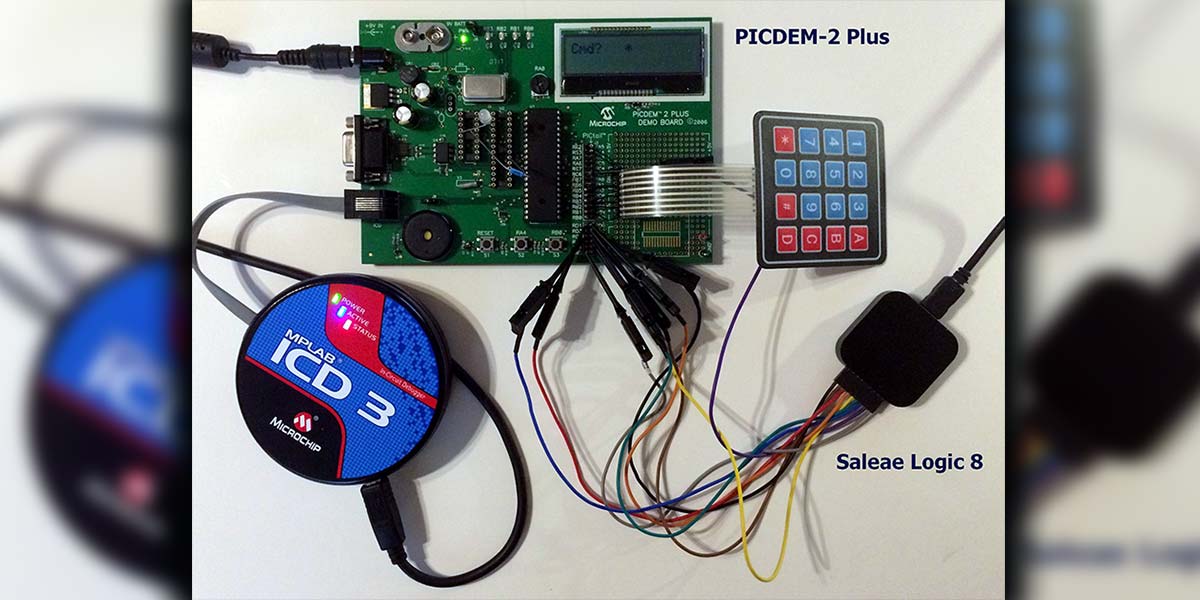
Why AI debugging matters now
The traditional debugging workflow is breaking under the weight of modern software complexity. Developers used to rely on manual stepping through code in tools like WinDbg or VS Code to isolate errors. This process involves observing the failure, locating the fault, fixing it, and verifying the result—a cycle that consumes hours for non-trivial issues. In 2026, that manual tracing is too slow for production environments where downtime costs are immediate and severe.
AI-driven debugging tools shift this paradigm by automating root cause analysis. Instead of a developer manually sifting through logs, these tools ingest crash dumps, stack traces, and runtime telemetry to pinpoint the exact line of code responsible for the bug. Some advanced platforms even generate automated patches, allowing engineers to review and merge fixes rather than writing them from scratch. This transition from reactive stepping to proactive analysis saves significant engineering time and reduces the cognitive load on development teams.
While basic CLI debuggers like GDB remain essential for low-level kernel work, high-level application debugging has moved toward intelligent automation. The tools listed in this roundup represent the current state of the art, focusing on AI capabilities that accelerate the path from error detection to resolution.
5 AI Debugging Tools to Automate Bug Tracking in 2026
By 2026, AI-driven debugging has shifted from reactive patching to proactive automation, integrating directly into CI/CD pipelines to resolve issues before deployment. This roundup evaluates specific tools—such as GitHub Copilot Workspace and GitLab Duo—that streamline bug tracking and reduce mean time to resolution. Use the AmazonProductGrid below to compare pricing and availability for these essential developer workflow accelerators.
-
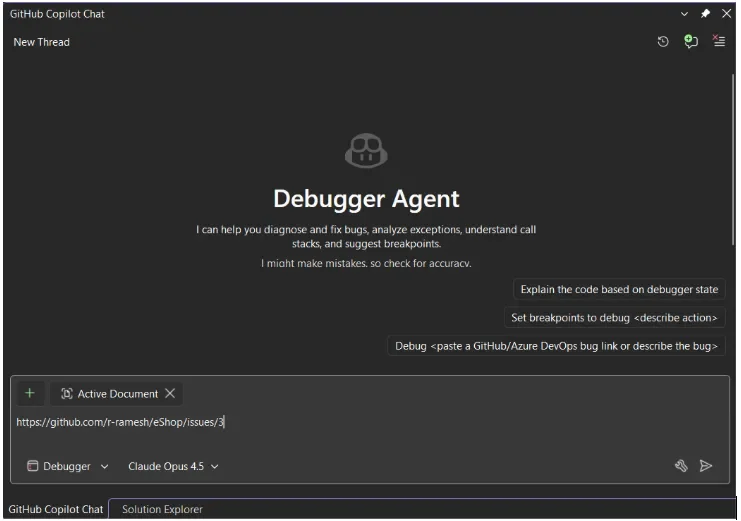
GitHub Copilot for real-time error fixing
GitHub Copilot integrates directly into your editor to identify syntax errors and logical flaws as you type. It suggests immediate corrections, reducing the context-switching penalty of manual debugging. By analyzing the surrounding code structure, it offers precise fixes that maintain your coding style. This real-time assistance accelerates the resolution of common mistakes, allowing developers to maintain flow and focus on complex architectural challenges rather than trivial syntax issues. -
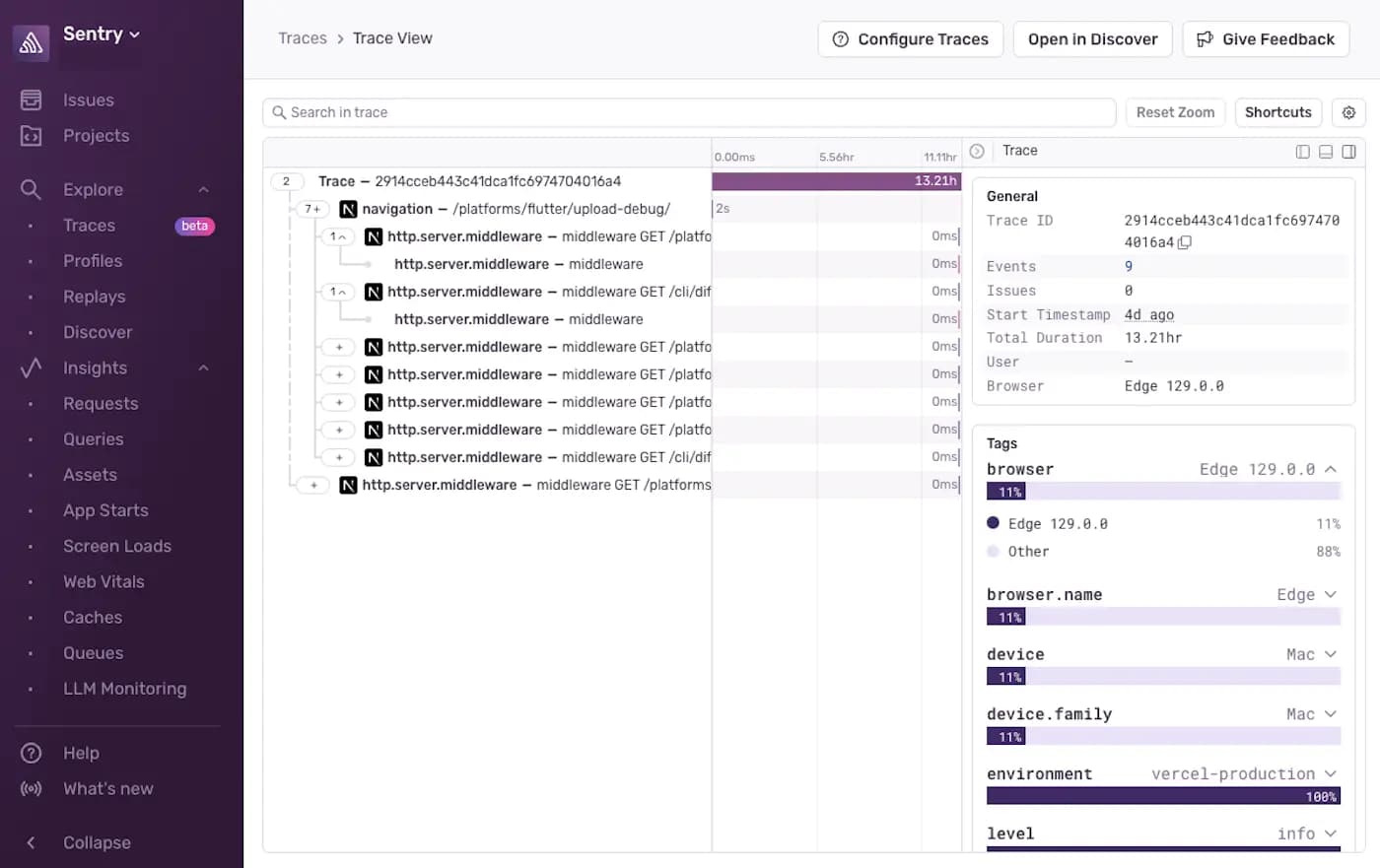
Sentry for automated production tracking
Sentry captures runtime errors in production environments, automatically grouping similar exceptions to reduce noise. Its AI features correlate stack traces with recent code commits, pinpointing the exact change that introduced the bug. This automated triage saves engineering teams hours of manual investigation. By providing immediate context and reproducible steps, Sentry transforms chaotic error logs into actionable tickets, ensuring critical issues are resolved before they impact a wider user base. -
Amazon CodeWhisperer for security and logic
Amazon CodeWhisperer scans code for security vulnerabilities and logical inconsistencies, offering remediation suggestions aligned with AWS best practices. It identifies potential exploits like SQL injection or insecure data handling before deployment. Beyond security, it assists in correcting logic errors by suggesting alternative implementations that are more robust. This dual focus ensures that applications are not only functional but also secure, reducing the risk of costly breaches and technical debt in enterprise environments. -
JetBrains AI Assistant for deep IDE analysis
The JetBrains AI Assistant operates within the IntelliJ ecosystem, leveraging deep codebase understanding to diagnose complex issues. It analyzes dependencies, refactoring opportunities, and architectural patterns to suggest targeted fixes. This tool excels in large, monolithic projects where traditional debugging falls short. By providing context-aware suggestions, it helps developers navigate intricate code structures efficiently, ensuring that fixes are consistent with the broader project architecture and do not introduce new regressions. -

Tabnine for private codebase debugging
Tabnine prioritizes data privacy by allowing organizations to deploy models on their own infrastructure, ensuring sensitive code never leaves the premises. It learns from your specific codebase patterns, offering debugging suggestions that align with internal standards and legacy systems. This customization makes it ideal for teams handling proprietary algorithms or regulated data. By keeping debugging intelligence local, Tabnine provides secure, personalized assistance that respects strict compliance requirements while improving developer productivity.

Compare AI debugging capabilities
Choosing the right tool depends on your primary language, IDE preference, and whether you need deep kernel-level access or high-level application tracing. The table below outlines the core AI debugging features, supported environments, and pricing models for five leading options.
| Tool | Primary AI Feature | IDE Support | Pricing |
|---|---|---|---|
| Amazon CodeWhisperer | Context-aware code suggestions and security scans | VS Code, IntelliJ, JetBrains | Free tier available |
| JetBrains AI Assistant | Natural language refactoring and test generation | IntelliJ, PyCharm, WebStorm | Subscription add-on |
| GitHub Copilot | Autocomplete and chat-based debugging assistance | VS Code, Vim, Neovim | Free for students, paid for teams |
| Visual Studio IntelliCode | ML-assisted code completion and analysis | Visual Studio, VS Code | Free with Visual Studio |
| WinDbg (Windows Debugger) | Crash dump analysis and memory diagnostics | Standalone, Windows SDK | Free |
Review these options against your current workflow. If you rely heavily on JetBrains IDEs, the native AI assistant may offer the smoothest integration. For broader language support and open-source flexibility, GitHub Copilot remains a strong standard. For low-level system debugging, WinDbg provides essential capabilities without the AI overhead.
Common questions about AI debugging
Is VS Code a debugging tool?
Visual Studio Code is not a standalone debugger but an integrated development environment with built-in debugging capabilities. It supports JavaScript, TypeScript, and Node.js out of the box. For other languages, you install extensions from the Visual Studio Marketplace to add specific debugging runtimes. This makes it a central hub for AI-assisted bug tracking rather than a dedicated engine.
What are the four debugging techniques?
Professional debugging follows a structured workflow. Lawrance et al. identify four key phases: observing the failure, locating the fault, fixing the fault, and verifying the fix. AI debugging tools automate the observation and location steps by analyzing logs and crash dumps. The developer still handles the fix and verification, ensuring the solution fits the codebase context.
How do AI debugging tools reduce manual effort?
AI tools automate the initial triage of bugs. Instead of reading through thousands of lines of code, these tools parse stack traces and logs to pinpoint the root cause. They integrate with issue trackers to automatically create tickets with relevant context. This reduces the time spent on manual investigation, allowing developers to focus on writing the fix.
Helpful gear
Use these product recommendations as a starting point, then choose the size, material, and price point that fit how you actually use the gear.

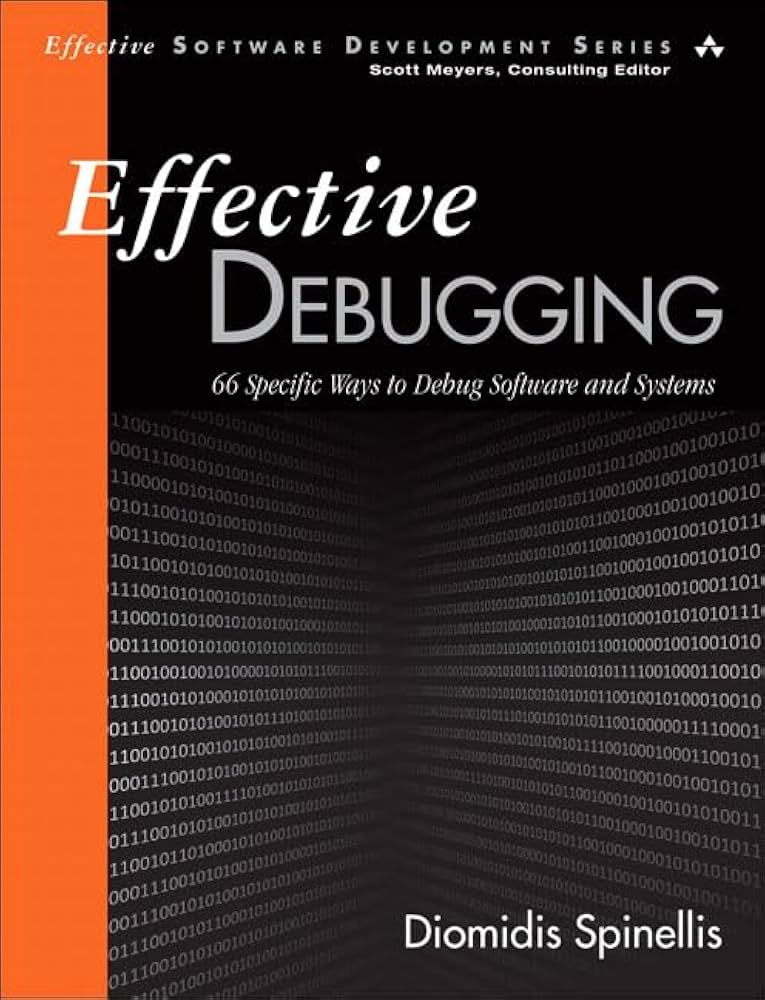

As an Amazon Associate, we may earn from qualifying purchases.
No comments yet. Be the first to share your thoughts!