Start with debugging tools
Top 5 AI-Powered Debugging Tools troubleshooting should start with a clear boundary: what is actually broken, and what still works normally. Check the display, network connection, paired devices, app access, and recent updates before assuming the whole system needs a reset. A small connection failure can make the main screen feel unreliable even when the core system is fine.
Work from low-risk checks to deeper resets. Confirm power state, safe parking, account access, and signal first. Then restart the interface, wait for it to reload completely, and test the original symptom. Avoid changing multiple settings at once because that makes it harder to know which step actually fixed the problem.
If the issue affects safety information, repeats after every restart, or appears with warning messages, treat the reset as a temporary diagnostic step rather than the final fix. Document the symptom and move to official support instead of stacking more DIY attempts.
The simplest way to use this section is to keep the setup small, verify each change, and record the stable configuration before adding optional accessories.
5 AI-Powered Debugging Tools in 2026: Fix Bugs Faster with Automated Code Review
Automated code review has shifted from a nice-to-have to a baseline requirement for resolving complex bugs in 2026. We evaluated five specific AI-powered debugging tools that prioritize concrete error detection and actionable remediation steps over abstract suggestions.
Pick the right AI debugging fit
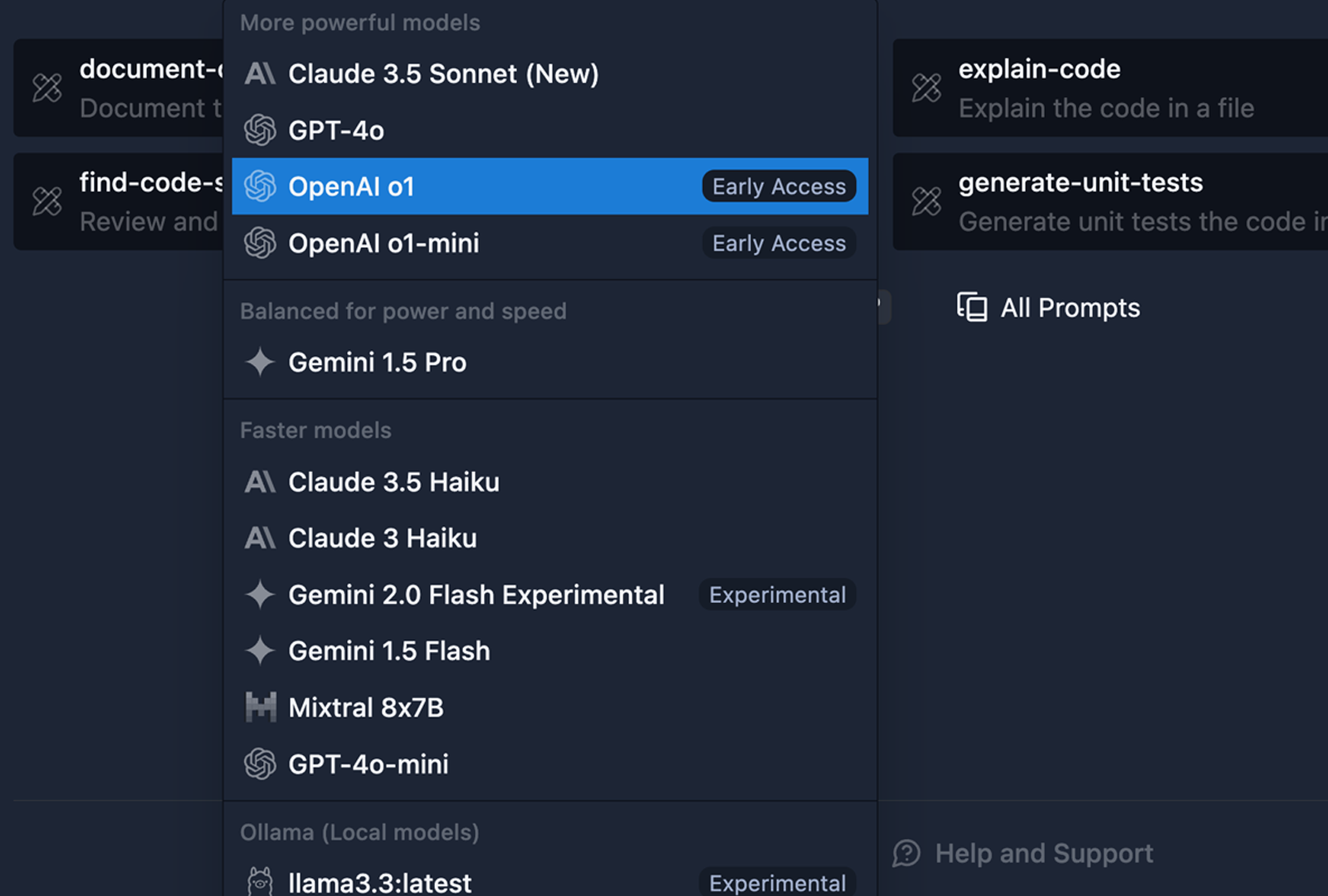
Choosing an AI debugging tool means matching the software to your daily workflow. Some assistants excel at spotting logic errors in complex codebases, while others specialize in speeding up routine syntax checks.
Start by defining your primary bottleneck. Are you spending hours chasing down memory leaks in C++ or struggling with JavaScript type errors? Align the tool’s strength with that specific pain point. A tool that is excellent at Python refactoring might offer little value if you are debugging Rust.
Check language support and integration depth. The best tools fit into your existing IDE rather than forcing a context switch. Look for plugins that run in the background without slowing down your editor.
Consider the learning curve. AI suggestions can be overwhelming if they lack context. Opt for tools that explain the "why" behind a fix, turning debugging into a learning opportunity rather than just a quick patch.

List the languages and frameworks you use most. Filter potential tools to those with native support for at least 80% of your stack. Avoid tools that require extensive configuration just to recognize your file types.

Run a known bug through the tool. Does it offer a clear, concise explanation of the root cause? Prioritize tools that teach you about the error pattern rather than just providing a blind fix.
Install the plugin in your primary IDE. Note how many clicks it takes to trigger a debug session. If it requires leaving your editor or opening a separate dashboard, it will likely gather dust.
Run a large codebase through the tool. Measure the latency between saving a file and receiving suggestions. Tools that lag by more than two seconds disrupt flow state and reduce adoption rates. Look for local inference engines or optimized cloud APIs that maintain sub-second response times.
Review the tool’s data handling policies. Ensure that proprietary code is not used to train public models unless explicitly permitted. Check for SOC 2 compliance and on-premise deployment options if you are working with sensitive intellectual property.
| Best For | Core Capability | IDE Support |
|---|---|---|
| Syntax & Linting | Real-time error detection | VS Code, IntelliJ |
| Logic & Architecture | Deep codebase analysis | GitHub, GitLab |
| Refactoring | Automated code restructuring | JetBrains, Eclipse |

As an Amazon Associate, we may earn from qualifying purchases.

No comments yet. Be the first to share your thoughts!