How we picked the best debugging tools
We evaluated debugging tools by testing how quickly they resolve errors and how deeply they integrate with your workflow. The goal was to identify tools that reduce context switching and let you fix bugs without leaving your editor.
Our selection process focused on three main areas: AI-assisted error resolution, language support breadth, and IDE integration depth. We looked for tools that not only catch errors but explain them clearly. For example, we prioritized extensions that offer inline suggestions for fixing syntax issues or refactoring code directly from the debug console.
We tested popular options like Visual Studio Code, Chrome DevTools, and JetBrains IDEs to see how they handled real-world debugging scenarios. We also considered specialized tools like Sentry for automated error tracking and New Relic for real-time performance monitoring. The tools that made our list are those that saved us time during active development.
Top AI-powered debugging extensions
The shift from manual stepping to automated resolution is the defining trend for 2026. AI extensions no longer just highlight syntax errors; they analyze stack traces and context to suggest full code fixes, effectively turning debugging from a detective game into a guided repair process.
IntelliCode for Visual Studio Code remains the industry standard for this workflow. It learns your codebase patterns and predicts the next line of code or suggests fixes for common logic errors before you even run the build. This proactive assistance cuts down on the time spent staring at compiler warnings.
Sentry’s AI error tracking represents the server-side evolution of this concept. Rather than waiting for a user to report a crash, Sentry uses AI to correlate error events, identify the root cause, and suggest the specific commit or code block responsible. It bridges the gap between local development and production stability.
For browser-based debugging, Chrome DevTools’ AI features are maturing quickly. The new "Explain" panel allows developers to highlight complex console errors or performance bottlenecks and get plain-English explanations of what went wrong and how to fix it, removing the jargon barrier for junior developers.


As an Amazon Associate, we may earn from qualifying purchases.
Best IDEs for deep code inspection
Use this section to make the Best Debugging Tools for decision easier to compare in real life, not just on paper. Start with the reader's actual constraint, then separate must-have requirements from details that are merely nice to have. A practical choice should survive normal use, maintenance, timing, and budget. If a recommendation only works in an ideal situation, call that out plainly and give the reader a fallback path.
| Factor | What to check | Why it matters |
|---|---|---|
| Fit | Match the option to the primary use case. | A good deal still fails if it does not fit the job. |
| Condition | Verify age, wear, and service history. | Hidden condition issues erase upfront savings. |
| Cost | Compare purchase price with likely upkeep. | The cheapest option is not always the lowest-cost option. |
Browser and mobile debugging tools
Standard IDE debuggers handle local logic well, but they often miss what happens when code hits the real world. Browser environments and mobile devices introduce network latency, varying screen sizes, and OS-level quirks that local breakpoints can’t always catch. To find these issues, you need tools built specifically for these dynamic environments.
Chrome DevTools
Chrome DevTools remains the industry standard for frontend debugging. It allows you to inspect the DOM, monitor network requests, and profile performance directly in the browser. The Elements panel helps you visualize CSS issues, while the Network tab reveals exactly where API calls are failing or slowing down. It is an essential, built-in tool for any web developer.
Sentry
Sentry shifts debugging from reactive to proactive. Instead of waiting for a user to report a bug, Sentry automatically captures errors in production and groups them by root cause. This is particularly useful for frontend applications where stack traces can be obfuscated. It provides context like user actions and network responses, helping you fix issues before they impact a large number of users.
Instabug
For mobile apps, Instabug bridges the gap between developers and end-users. It allows testers and customers to report bugs directly from the app interface, attaching screenshots, device logs, and network traces. This feedback loop ensures you are fixing the issues that actually matter to your users, rather than guessing based on vague error reports.
System-level debuggers for C and C++
When you move beyond application code into the kernel or raw hardware interfaces, standard IDE debuggers often stop being enough. You need tools that can read memory directly, trace CPU registers, and handle crash dumps without crashing themselves. These are the heavy lifters for systems programming.
WinDbg
WinDbg remains the industry standard for low-level Windows debugging. It is part of the Windows Driver Kit (WDK) and can analyze crash dumps, debug live user-mode and kernel-mode code, and examine CPU registers. It is essential for diagnosing driver issues and system hangs. You can find the official distribution through the Microsoft Learn documentation here.
GDB
For Linux and embedded C/C++ development, GDB is the default choice. It integrates well with GCC and supports remote debugging, allowing you to debug code running on a target device from your workstation. It is free, open-source, and deeply integrated into most Linux development workflows.
LLDB
LLDB is the debugger engine used by Xcode and is becoming the go-to for cross-platform C++ development. It is part of the LLVM project and offers a Python scripting interface for custom debugging logic. It is particularly strong on macOS and Unix-like systems, providing a modern alternative to GDB with better performance on large executables.
Quick checklist for choosing your debugger
Don't pick a tool because it's popular; pick it because it speaks your language. A debugger is only useful if it can attach to your specific runtime and parse your stack traces correctly.
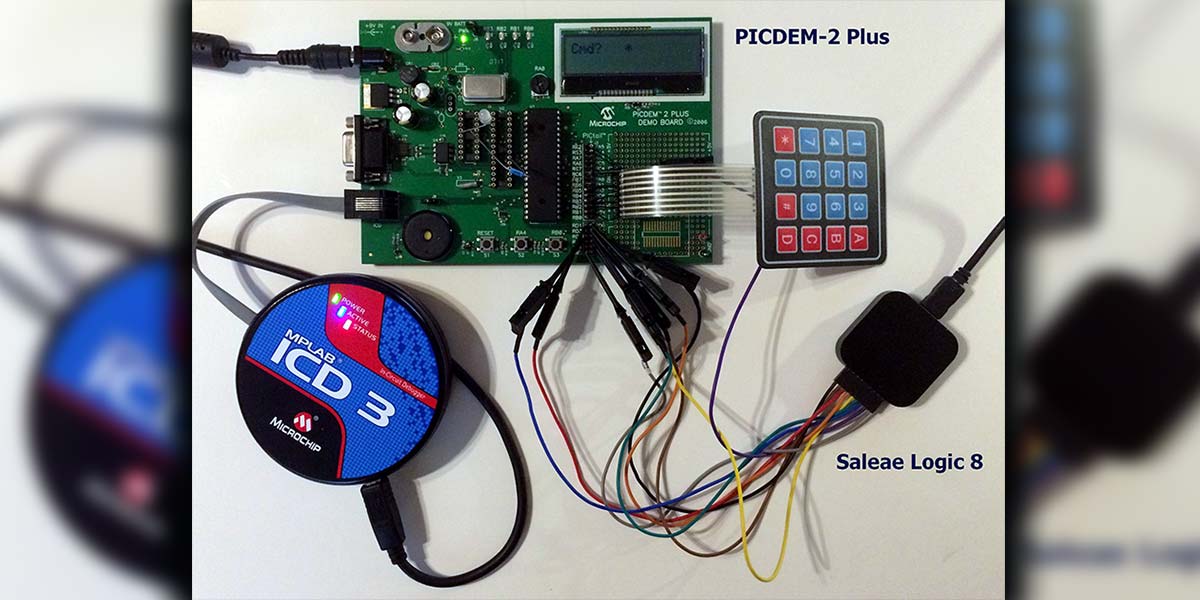
Ensure the tool supports your primary stack. For C/C++, look for GDB or WinDbg integration. For JavaScript, VSCode and Chrome DevTools are standard. If you're using Python, PyCharm's debugger is often the most seamless fit.
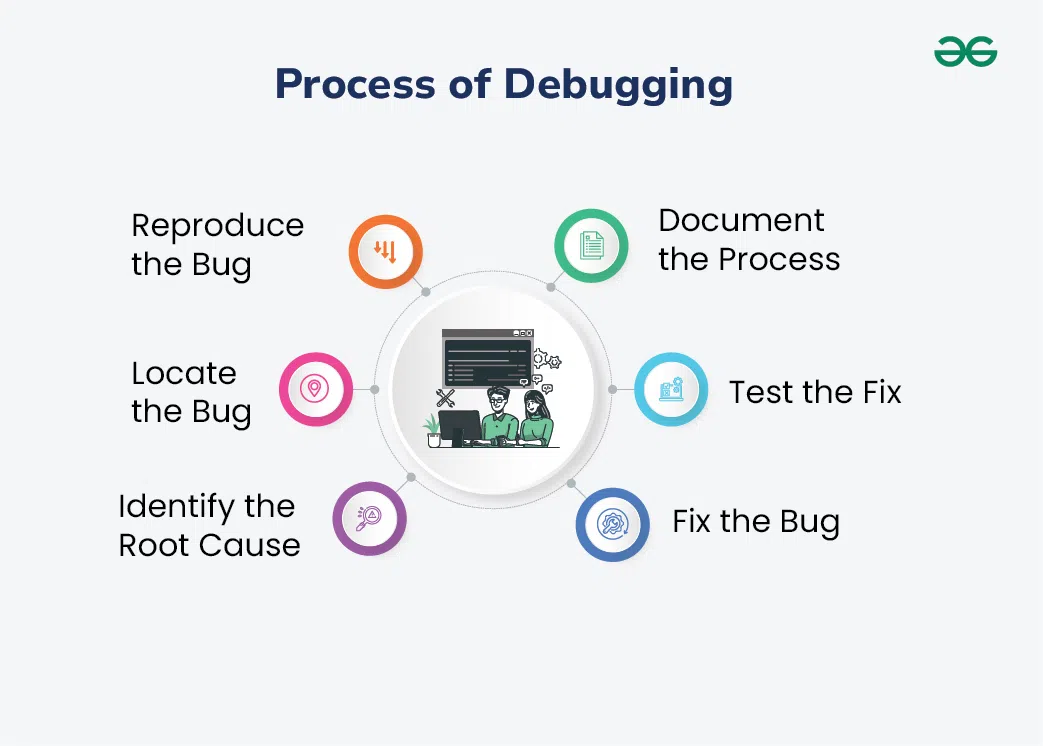
Modern AI assistants can suggest fixes, but they hallucinate. Test their understanding of your codebase by asking them to explain a complex function. If the explanation is generic, the debugging suggestions will likely be too.

Heavy debuggers can slow down your build process. Run a quick benchmark with the tool active. If your compilation time doubles or your IDE lags significantly, you may need a lighter alternative or a separate profiling tool.
Frequently asked questions about debugging tools
What is the best free debugging tool?
Visual Studio Code (VSCode) with its built-in debugger is the most versatile free option for most developers. For system-level C or C++ work, gdb and lldb are industry-standard command-line tools that require no license. Chrome DevTools is also completely free and essential for any front-end work involving JavaScript or CSS.
Do I need AI to debug my code?
No. AI tools can suggest fixes, but they don't replace the need to understand the root cause. Traditional tools like Visual Studio's debugger or PyCharm's breakpoint system provide the concrete execution state you need. AI is a helper, not a replacement for stepping through code and examining memory.
Which debugger should I use for Windows system issues?
WinDbg is the official Microsoft debugger for Windows. It is designed to analyze crash dumps, debug live user-mode and kernel-mode code, and examine CPU registers. For general process monitoring on Windows, Process Explorer and Process Monitor from Sysinternals are also indispensable.
How do I debug errors in production without slowing down the app?
Use error tracking and monitoring tools like Sentry or New Relic. These tools capture stack traces and performance metrics in real-time without the overhead of a traditional interactive debugger. They allow you to identify the exact line of code and user context that triggered the error, which you can then replicate locally.

No comments yet. Be the first to share your thoughts!