Why debugging tools matter now
Debugging has shifted from manual stepping to AI-assisted diagnosis. Modern developers spend less time tracing lines and more time reviewing automated root-cause analysis. This change makes debugging tools essential for current productivity standards.
Older methods like GDB-style stepping require deep manual context. Developers must understand memory layouts and execution states line by line. This process is slow and prone to human error. New tools automate the tedious parts, allowing faster resolution.
The evolution from manual stepping to AI-driven root cause analysis represents a fundamental shift in how we handle software errors.
Today’s best debugging tools integrate directly into your IDE. They analyze code patterns and suggest fixes instantly. This integration reduces context switching and keeps you in the flow state.
Choosing the right tool depends on your stack. Some tools excel at browser-based frontend issues, while others handle backend memory leaks. The right choice depends on your specific debugging needs.
As an Amazon Associate, we may earn from qualifying purchases.
Top AI coding assistants for 2026
AI coding assistants have evolved from simple autocomplete into active debugging partners. These tools analyze your codebase in real-time, identifying syntax errors, logic bugs, and security vulnerabilities before you run your application. By explaining the root cause of an error and suggesting context-aware fixes, they reduce the time spent hunting for typos or missing semicolons.
The leading assistants in 2026 offer more than just code completion; they provide intelligent error resolution. When a test fails or a linter throws a warning, these tools can often pinpoint the exact line causing the issue and propose a corrected version. This capability transforms debugging from a reactive chore into a proactive workflow, allowing developers to maintain focus on architecture rather than syntax.
While traditional debuggers like Chrome DevTools and VS Code remain essential for stepping through execution, AI assistants handle the "why" behind the failure. They bridge the gap between a cryptic error message and a working solution, making them indispensable for modern development teams.



As an Amazon Associate, we may earn from qualifying purchases.
Best IDEs for debugging
Integrated development environments (IDEs) have evolved from simple code editors into sophisticated debugging workbenches. The right IDE reduces context switching by keeping your code, build tools, and debugger in one window. This section compares three industry-standard options: Visual Studio Code, PyCharm, and Visual Studio. Each offers distinct advantages depending on your primary language and workflow.
Visual Studio Code
Visual Studio Code (VS Code) dominates the market because of its lightweight architecture and massive extension ecosystem. While it lacks a built-in debugger for every language, its native support for JavaScript, TypeScript, and Node.js is excellent. For other runtimes, you simply install a language-specific extension that adds debugging capabilities. This modular approach keeps the editor fast, though it requires more initial setup than a full IDE.
PyCharm
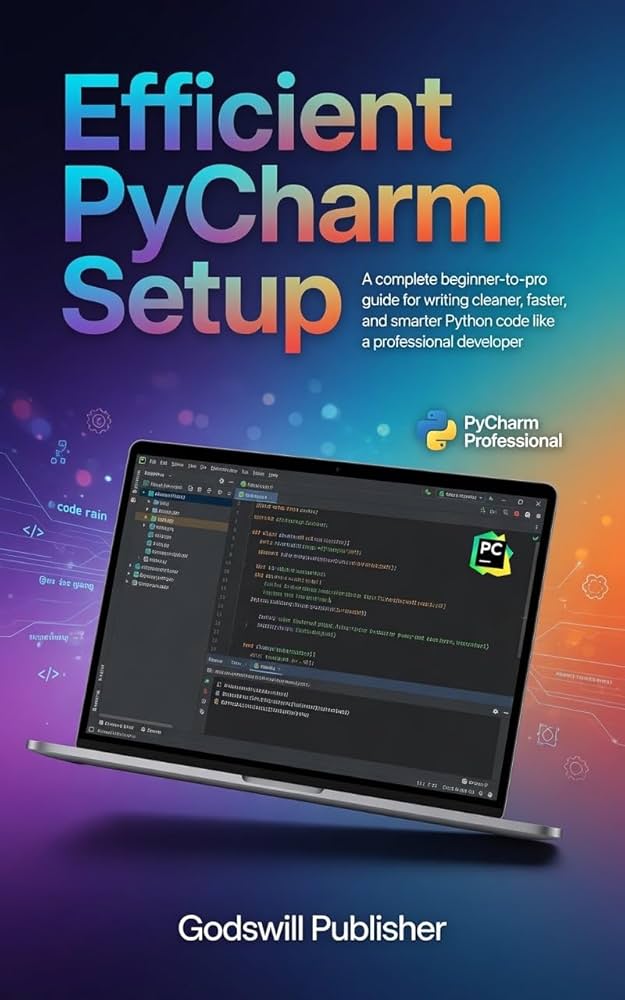
PyCharm is JetBrains' dedicated Python IDE, offering deep integration with the Python ecosystem. Its debugger understands Python's dynamic nature, allowing you to inspect complex data structures and evaluate expressions in real time. The Professional edition adds web framework debugging (Django, Flask) and database tools, making it a comprehensive solution for Python developers who want a "batteries-included" experience without configuring extensions.
Visual Studio
Visual Studio remains the gold standard for .NET and C++ development. Its debugger is one of the most powerful in the industry, supporting advanced features like live debugging of production systems, parallel debugging, and memory profiling. The interface is denser than VS Code, but it provides unparalleled visibility into complex enterprise applications, making it indispensable for large-scale Windows or cross-platform C++ projects.
Comparison Table
The following table highlights the core differences in debugging capabilities across these three environments.
| IDE | Primary Language | Debugging Approach | Cost |
|---|---|---|---|
| Visual Studio Code | JavaScript/TypeScript | Extensions required for many languages | Free |
| PyCharm | Python | Native deep integration | Free (Community) / Paid (Pro) |
| Visual Studio | C#/.NET, C++ | Advanced native suite | Free (Community) / Paid (Pro) |


As an Amazon Associate, we may earn from qualifying purchases.
Browser and API debugging essentials
Frontend and API debugging require different toolsets, but both are critical for full-stack development. Chrome DevTools remains the industry standard for browser-side issues, while Postman handles the complexity of API interactions.
Chrome DevTools provides a comprehensive environment for inspecting HTML, CSS, and JavaScript. The Sources panel allows for precise breakpoint setting and step-through debugging, while the Network tab reveals latency issues and payload sizes. This integration makes it the first line of defense for rendering errors and client-side logic failures.
For API debugging, Postman offers a structured way to test endpoints without writing code. It supports environment variables, automated testing scripts, and detailed response analysis. This tool simplifies the verification of authentication headers, request bodies, and status codes, ensuring backend services respond as expected before they reach the frontend.


As an Amazon Associate, we may earn from qualifying purchases.
Debugging system and kernel issues
When user-space tools like gdb or lldb aren't enough to trace a kernel panic or a driver deadlock, systems programmers need access to low-level crash dump analysis. These tools inspect the raw state of the CPU registers, memory pages, and kernel stacks, providing the visibility required to fix issues that don't occur in standard application code.
WinDbg for Windows kernel debugging
WinDbg remains the industry standard for analyzing Windows crash dumps and debugging live kernel-mode code. It integrates deeply with the Windows Driver Kit (WDK) and supports advanced scripting with the !analyze extension to automatically parse bug check data. For developers working on Windows drivers or investigating BSODs, it provides the most comprehensive view of the operating system's internal state.
GDB for Linux and embedded systems
GDB (GNU Debugger) is the default choice for debugging Linux kernels and embedded systems. It supports remote debugging over serial lines or Ethernet, allowing developers to attach to a running kernel on a target board without halting the host machine. Its extensive documentation and widespread adoption make it the go-to tool for diagnosing issues in open-source kernel development and embedded Linux environments.
LLDB for cross-platform kernel analysis
LLDB, part of the LLVM project, offers a modern alternative to GDB for debugging macOS and iOS kernels. It features a Python-based scripting interface and a more modular architecture, making it easier to extend for custom debugging workflows. While GDB dominates Linux, LLDB is the preferred tool for developers working within the Apple ecosystem or those who prefer its command-line interface.


As an Amazon Associate, we may earn from qualifying purchases.
How to choose the right debugging tool
Selecting a debugging tool requires aligning your tech stack with your team’s daily workflow. The wrong choice slows down development, while the right one turns hours of troubleshooting into minutes. Focus on language compatibility, environment support, and integration depth rather than feature lists.
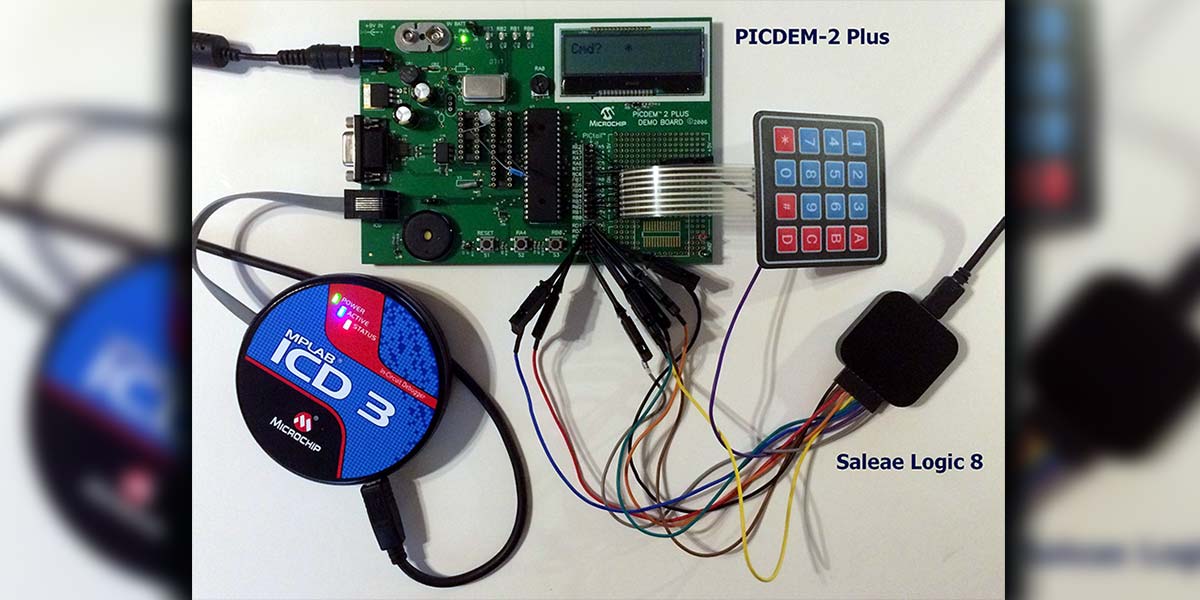
Start with the language you are debugging. For Node.js, TypeScript, or JavaScript, VS Code offers built-in debugging with zero configuration. Python developers benefit from the PyCharm debugger’s deep framework awareness. For low-level C or C++, WinDbg remains the standard for analyzing crash dumps and kernel-mode code.
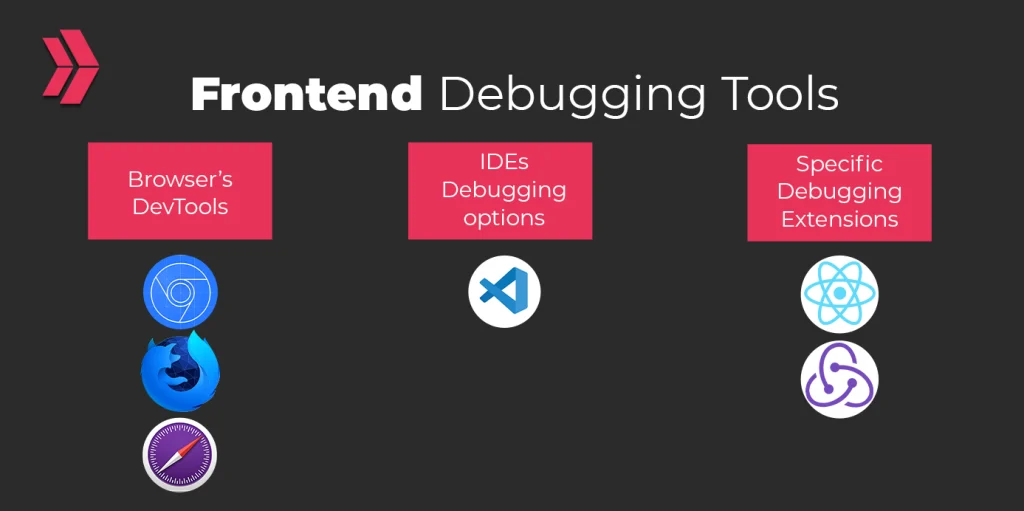
Consider where the code runs. Browser extensions like Chrome DevTools are essential for frontend work. If your application deploys to mobile devices or embedded systems, you need tools that can attach to remote processes or simulate hardware constraints. Cloud-native environments often require distributed tracing tools rather than traditional breakpoints.
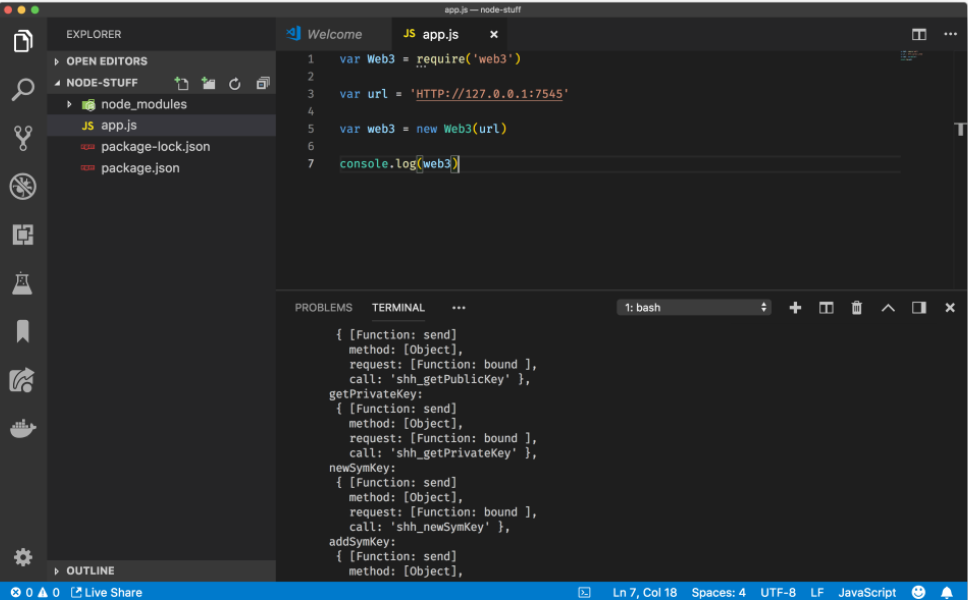
Integration speed matters. Developers spend more time in their IDE than in separate debuggers. Tools that offer inline debugging, variable inspection, and live expressions within the editor reduce context switching. JetBrains IDEs and VS Code excel here by keeping the debugger UI close to the code.
Debugging is often a team activity. Choose tools that support shared configurations, remote debugging sessions, or crash dump analysis that can be easily shared. If your team uses Git, ensure the debugger integrates with version control to help track when bugs were introduced.


As an Amazon Associate, we may earn from qualifying purchases.
Is VS Code a debugging tool?
Visual Studio Code functions as both a code editor and a comprehensive debugging environment. It includes built-in support for JavaScript, TypeScript, and Node.js, allowing developers to set breakpoints, inspect variables, and step through code without leaving the interface.
For other languages, the Visual Studio Marketplace offers extensions that add robust debugging capabilities for Python, Java, C++, and more. This flexibility makes VS Code a central hub for developers managing multi-language projects.

No comments yet. Be the first to share your thoughts!