Ide recommendations budget
Debugging Workflow works best when the purchase path is explicit. Verify the source, compare the offer against real alternatives, check the total cost, and confirm what happens after payment before you decide. After each comparison, write down the one risk that would change your mind. If the seller, condition, support, warranty, shipping, or upkeep still feels uncertain, resolve that question before moving to checkout.
The simplest way to use this section is to verify the seller, compare the total cost, and resolve the biggest risk before you commit.
Shortlist real options
Use this section to make the Debugging Workflow decision easier to compare in real life, not just on paper. Start with the reader's actual constraint, then separate must-have requirements from details that are merely nice to have. A practical choice should survive normal use, maintenance, timing, and budget. If a recommendation only works in an ideal situation, call that out plainly and give the reader a fallback path.
| Factor | What to check | Why it matters |
|---|---|---|
| Fit | Match the option to the primary use case. | A good deal still fails if it does not fit the job. |
| Condition | Verify age, wear, and service history. | Hidden condition issues erase upfront savings. |
| Cost | Compare purchase price with likely upkeep. | The cheapest option is not always the lowest-cost option. |
Inspect the expensive parts
Debugging is expensive because fixing one bug often reveals two more. Your workflow should prioritize the highest-friction failure points first. Start by isolating the exact line of code causing the crash, then check the surrounding context for logic errors or missing data.
Use your IDE’s debugger to step through the code line by line. Breakpoints are your best friend here. Set them at the entry points of complex functions to see how data flows in and out. This prevents you from guessing what the code is doing and lets you see the actual state of your variables.
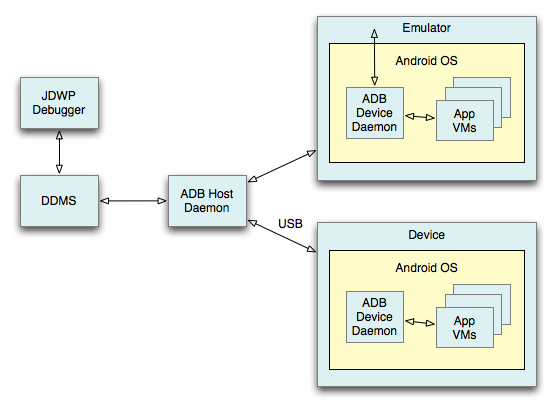
Use the debugger to find the exact line throwing the error. Don’t just look at the stack trace; examine the variable values at that moment. This saves hours of guessing.
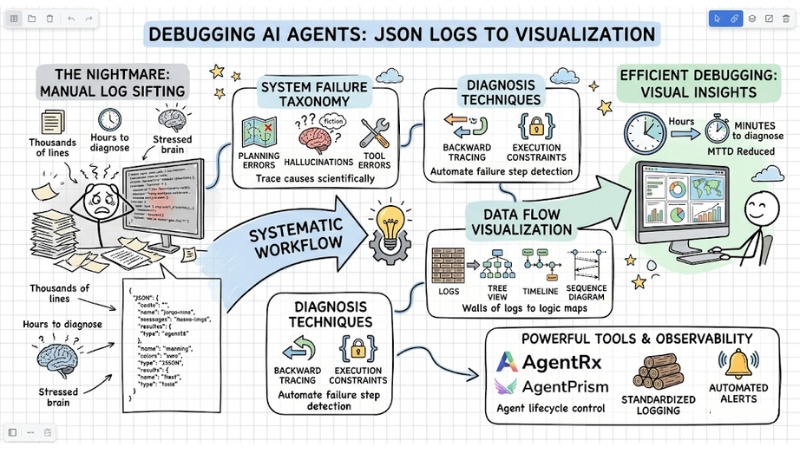
Comment out large sections of code to see if the error persists. This binary search approach helps you pinpoint the specific module or function responsible for the bug.

Verify that your API calls, database queries, and environment variables are correct. Many "bugs" are actually just misconfigurations or stale data in your environment.
Once you have a fix, run your test suite again. If the bug is gone, commit the change and move on. If it persists, repeat the process. Remember, a good debugging session ends with a clear understanding of why the bug happened, not just a quick patch.
Plan for ownership costs
A low upfront price often masks higher long-term expenses. When evaluating IDEs and bug tracking tools, look beyond the initial license fee to calculate the total cost of ownership. This includes subscription renewals, hardware requirements, and the time spent on configuration or migration.
Many modern development tools operate on a subscription model that scales with team size. A tool that is free for a single developer can become expensive as you add collaborators. Additionally, consider the cost of integrations. If your bug tracker doesn't natively support your version control system, you may need to pay for third-party connectors or spend engineering hours building custom bridges.
Maintenance surprises can also impact your budget. Tools that require frequent updates or have complex onboarding processes consume valuable developer time. This "hidden" labor cost often outweighs the savings from a cheaper initial purchase. Choose tools that integrate smoothly into your existing workflow to minimize friction and ongoing administrative overhead.


As an Amazon Associate, we may earn from qualifying purchases.
Ide recommendations: what to check next
Choosing the right development environment can feel overwhelming with so many options. Here are direct answers to the most common questions about integrated development environments.

No comments yet. Be the first to share your thoughts!